Understanding Regional Heritage and Identity in Europe
Europe is a tapestry of diverse cultures, histories, and identities. By exploring regional heritage, travelers can gain insights into the unique traditions and stories that shape various communities. This article focuses on the importance of understanding these regional identities and how they enhance the travel experience.
The Role of Heritage in Shaping Identity
Heritage plays a critical role in forming regional identities across Europe. According to research from the European Commission, cultural heritage significantly contributes to a sense of belonging and community cohesion. This is largely because heritage encompasses the traditions, languages, arts, and historical narratives that define a region.

"Heritage is not just a backdrop; it is the essence of our identity, shaping how we view ourselves and the world." - Expert in Cultural Studies
Exploring Lesser-Known Destinations
Many travelers often overlook lesser-known European destinations, which can offer profound insights into local heritage. These regions frequently have rich histories and cultural practices that differ from mainstream tourist spots. For example:
- The Basque Country in Spain is renowned for its unique language and culinary traditions, drawing visitors interested in authentic cultural experiences.
- Slovenia, often overshadowed by its neighbors, boasts picturesque landscapes and a vibrant arts scene that reflects its diverse heritage.
- The Isle of Skye in Scotland provides a glimpse into Gaelic traditions, local myths, and stunning natural beauty, attracting those looking for cultural immersion.
Why Understanding Heritage Matters
Understanding regional heritage can significantly enhance the travel experience for several reasons:
- Cultural Appreciation: Engaging with local customs and traditions promotes respect and understanding between cultures. Research shows that travelers who immerse themselves in local heritage report a more fulfilling travel experience.
- Community Support: Many lesser-known destinations rely on tourism for economic support. By visiting these areas, travelers can contribute positively to local economies and help sustain cultural practices.
- Personal Growth: Learning about different heritage can broaden personal perspectives and encourage a greater appreciation for diversity. Experts recommend incorporating local experiences into travel plans for a richer journey.
The Process of Discovery
To successfully explore regional heritage and identity, consider the following steps:
- Research: Prior to your trip, research the history and cultural practices of your destination. This typically requires a few hours of reading but can significantly enhance your understanding.
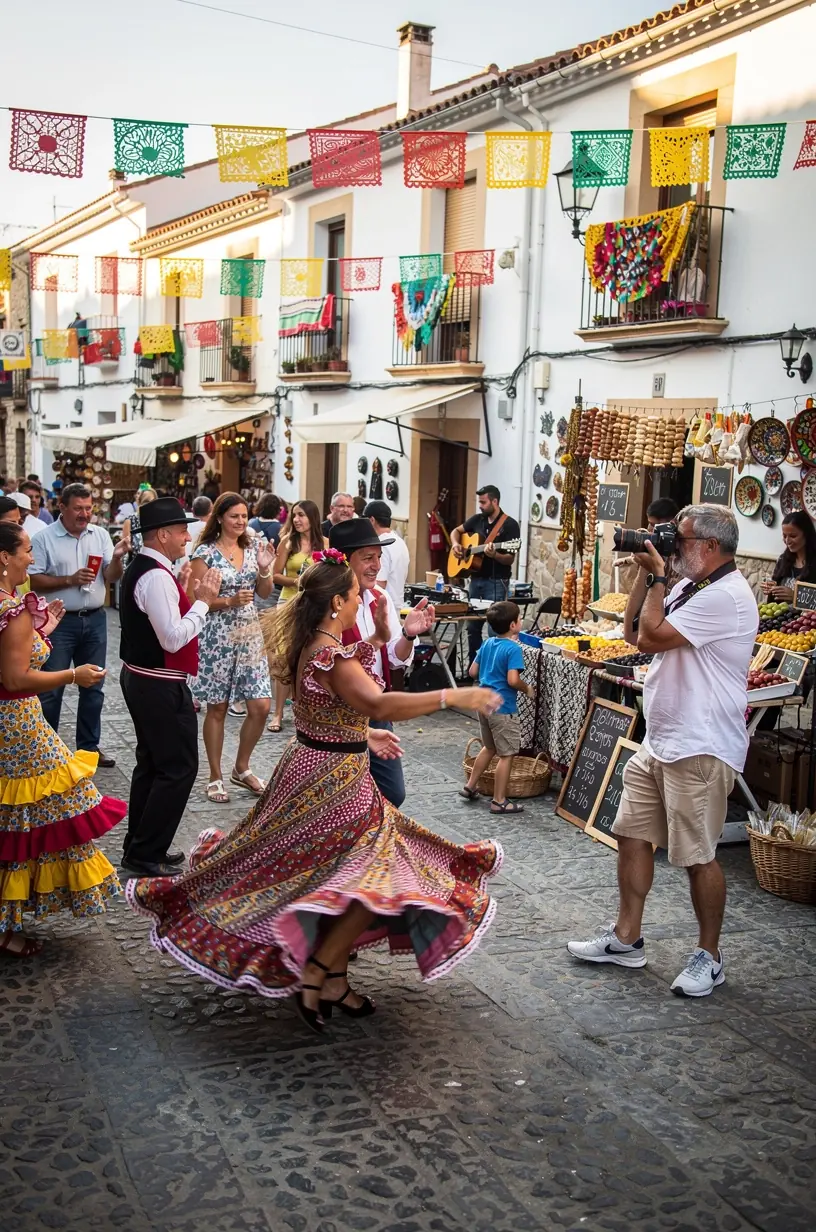
- Engagement: Participate in local events, festivals, or workshops. Engaging directly enhances your connection to the culture. This may require scheduling and flexibility during your travel.
- Reflection: Take time to reflect on your experiences and what you’ve learned about the local culture. This step is vital for personal growth and understanding.
Conclusion
Understanding regional heritage and identity in Europe not only enriches your travel experience but also fosters a greater appreciation for cultural diversity. By exploring lesser-known destinations, engaging with local communities, and reflecting on your experiences, you can contribute positively to the preservation of these unique heritages. Remember, the journey towards understanding is as valuable as the destination itself.