Sustainable Travel Practices in Lesser-Known European Regions
As travelers increasingly seek unique experiences away from crowded tourist hotspots, lesser-known European destinations are emerging as viable alternatives. However, embracing these hidden gems also comes with the responsibility of adopting sustainable travel practices to ensure that these regions thrive for future generations.
Understanding Sustainable Travel
Sustainable travel refers to the practice of exploring new destinations in a way that minimizes environmental impact, respects local cultures, and contributes positively to the economy of the area. According to research from the Global Sustainable Tourism Council, sustainable travel practices can lead to a reduction in a traveler's carbon footprint by up to 30%, making it a vital goal for conscious explorers.
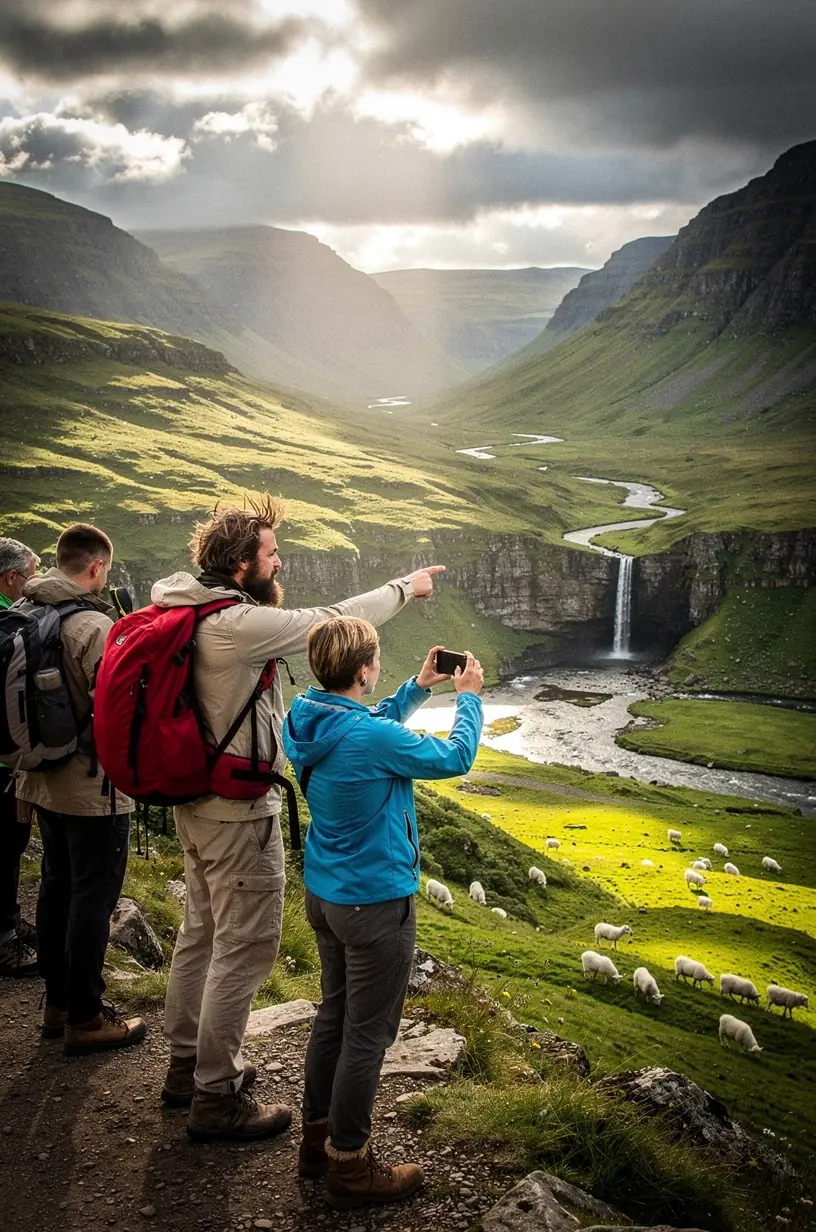
"Sustainable tourism doesn’t just benefit the environment; it also enriches the travel experience, fostering deeper connections with the places we visit." – Industry Expert
Why Choose Lesser-Known Regions?
Opting for lesser-known regions can significantly contribute to sustainable travel efforts. Many travelers often overlook these areas, which can lead to environmental degradation in popular destinations. By choosing to explore places like Slovenia's Triglav National Park or Portugal's Alentejo region, travelers can help disperse the economic benefits of tourism more equitably.
Practical Sustainable Travel Tips
- Choose Eco-Friendly Accommodations: Look for hotels or lodgings that utilize green practices, such as energy-efficient systems and local sourcing of food. Many individuals report that staying at eco-conscious establishments enhances their overall experience.
- Offset Your Carbon Footprint: Consider investing in carbon offset programs that support reforestation or renewable energy projects. This can mitigate the environmental impact of your travel.
- Support Local Economies: Engage with local communities by dining at family-owned restaurants, buying crafts from local artisans, or participating in community tours. According to studies, this practice often leads to a more enriching travel experience.
Conclusion
Traveling sustainably in lesser-known European regions not only benefits the environment but also enriches your travel experience. While it may involve a shift in mindset and habits, the rewards of exploring off-the-beaten-path destinations are plentiful. By making mindful choices such as supporting local economies and choosing eco-friendly accommodations, you can contribute to the preservation of these beautiful areas for future travelers. Remember, adopting sustainable travel practices is a journey that requires commitment, but the positive impact on local communities and the environment is well worth the effort.