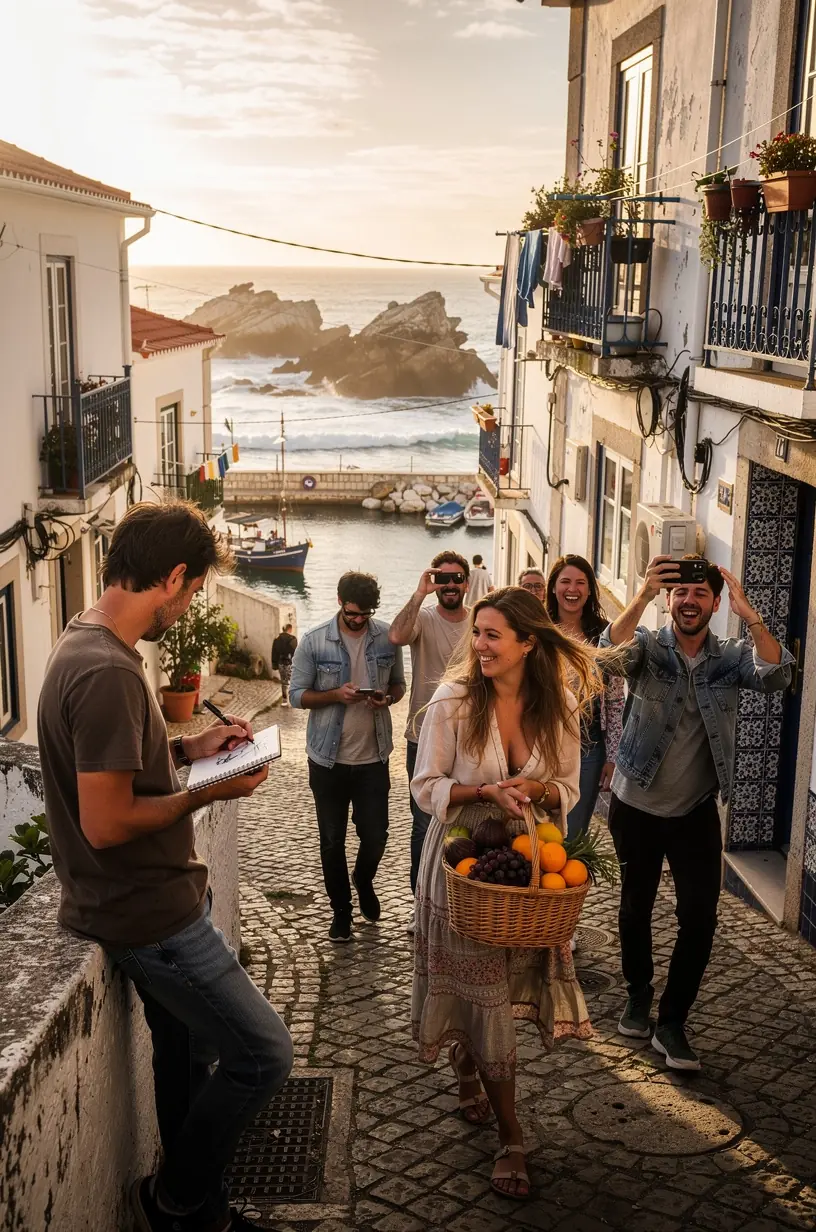
Challenges Facing Smaller European Destinations
As travelers seek unique experiences away from crowded tourist hotspots, smaller European destinations are gaining popularity. However, these regions face significant challenges that can hinder their growth and sustainability. Understanding these obstacles is essential for both travelers and stakeholders in the tourism industry.
Understanding the Basics
Smaller European destinations often struggle to attract tourists due to limited visibility in an increasingly competitive market. According to research conducted by the European Travel Commission, about 50% of travelers are unaware of emerging destinations that offer rich cultural experiences and stunning landscapes. This lack of awareness can be attributed to various factors including inadequate marketing budgets and less established branding.
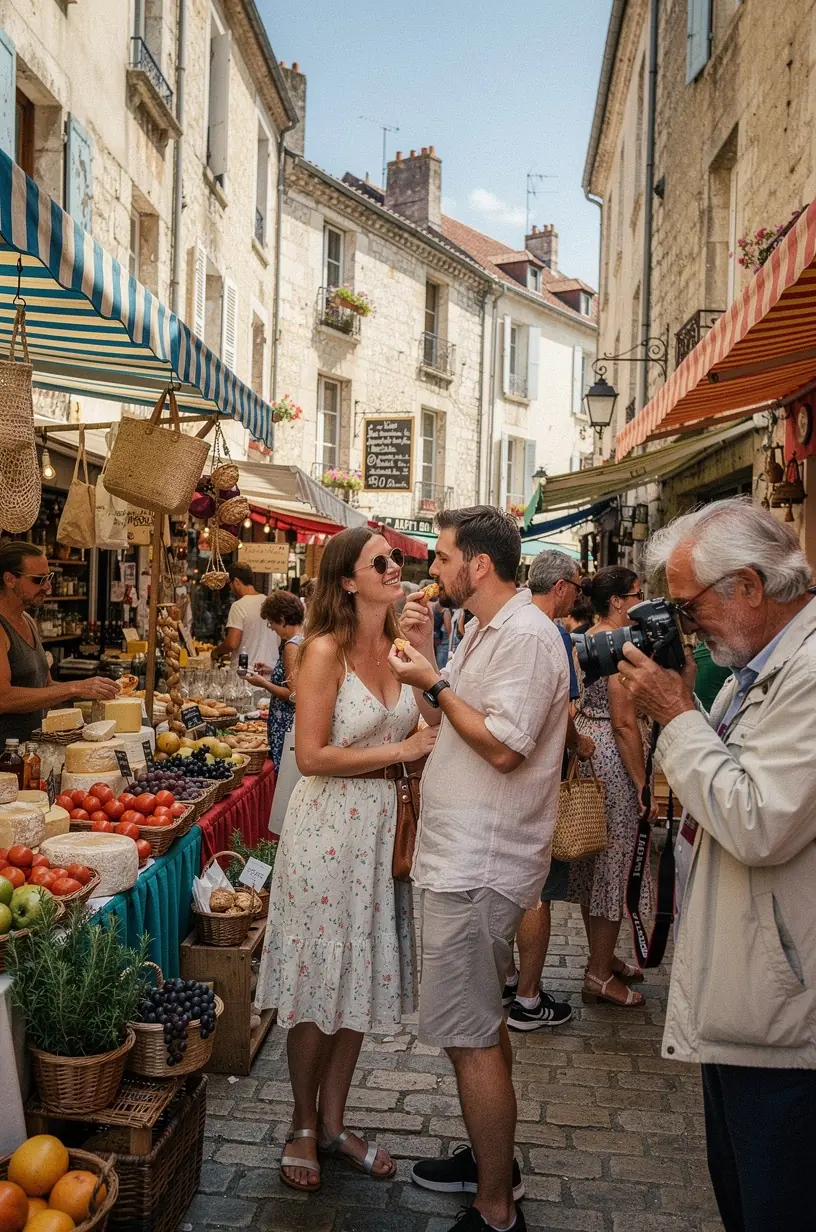
"Many experts recommend that smaller destinations focus on niche marketing to highlight their unique attributes." - Travel Industry Report
Common Challenges
- Marketing Limitations: Typically, smaller destinations do not have the financial resources for extensive marketing campaigns. This makes it difficult to compete with larger cities that have robust tourism budgets.
- Infrastructure Issues: Many smaller destinations may lack the necessary infrastructure, such as quality accommodations and transportation options, which can deter potential visitors. Industry standards suggest that destinations should assess and improve their facilities to enhance visitor experience.
- Seasonality of Tourism: Smaller regions often experience fluctuations in visitor numbers based on the season. Research indicates that diversifying attractions and activities can help mitigate the impact of seasonal variations.
Mitigating the Challenges
To counter these challenges, regional discovery agencies play a vital role. They can help smaller destinations by:
- Developing targeted marketing strategies that emphasize unique cultural and natural offerings.
- Collaborating with local businesses to improve infrastructure and visitor services, creating a more welcoming environment.
- Encouraging year-round tourism by promoting off-season events and attractions, potentially increasing visitor numbers.
Conclusion
While smaller European destinations face a range of challenges, proactive measures can enhance their appeal and sustainability. It is crucial for stakeholders to recognize these issues and work collaboratively to create solutions that benefit both visitors and local communities. By focusing on education and effective marketing strategies, smaller destinations can carve out a niche for themselves in the vibrant European tourism landscape.
Learn More