The Impact of Local Agencies on Tourism Development
As travelers increasingly seek unique and authentic experiences, local tourism agencies play a crucial role in promoting lesser-known European destinations. This article explores how these agencies can effectively influence tourism development while supporting local economies.
Understanding the Role of Local Agencies
Local tourism agencies are often the first point of contact for visitors looking to explore new areas. According to research by the European Travel Commission, these agencies typically offer tailored travel experiences that highlight cultural, historical, and natural attractions. This is significant because many travelers are now prioritizing local heritage and sustainability in their travel decisions.
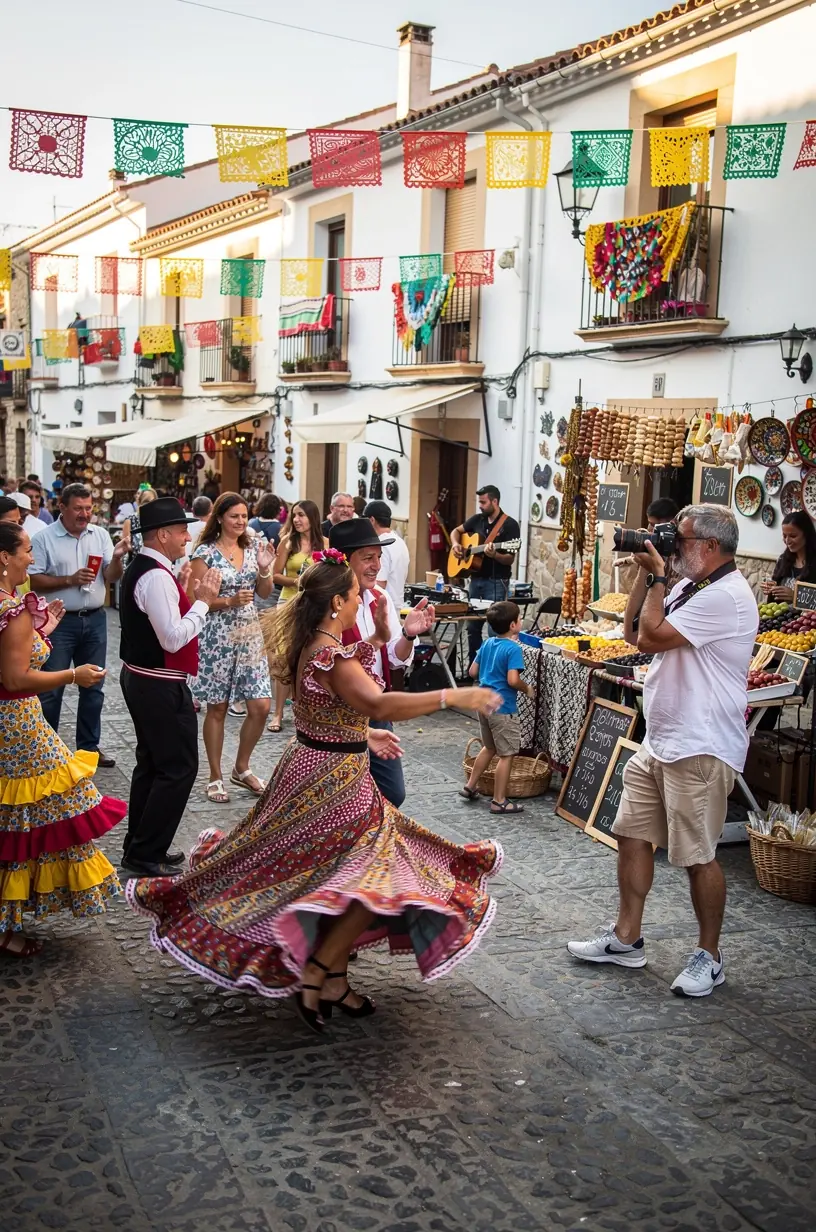
"Local tourism agencies can bridge the gap between visitors and the unique offerings of a region, often resulting in a more meaningful travel experience."
How Local Agencies Foster Tourism Growth
The methodology employed by local agencies often includes a combination of marketing strategies and community engagement initiatives. Here are several ways that these agencies impact tourism:
- Customized Itineraries: Many agencies create personalized travel plans that reflect visitors' interests, which can boost engagement. Studies show that customized experiences can increase visitor satisfaction, leading to positive word-of-mouth and repeat tourism.
- Community Involvement: Effective local agencies typically collaborate with local businesses, artists, and cultural institutions. This approach not only enhances the visitor experience but also supports the local economy. Research indicates that when local enterprises benefit, communities tend to see a more sustainable economic impact.
- Promotion of Hidden Gems: By showcasing lesser-known attractions, agencies help disperse tourist traffic, which alleviates pressure on popular sites. This is particularly important in regions where tourism can lead to overcrowding and environmental degradation.
Challenges and Considerations
While local agencies can significantly impact tourism development, it is essential to acknowledge certain limitations:
- Resource Limitations: Many agencies operate with limited budgets and manpower, which can restrict their marketing efforts. This often requires them to be strategic in their outreach, focusing on targeted campaigns that may take time to develop.
- Need for Local Support: Successful implementation of tourism strategies relies on the willingness of local stakeholders to participate. In many cases, agencies must invest time building relationships and trust within the community.
- Adapting to Trends: The tourism industry is continuously evolving, and local agencies must stay attuned to changing traveler preferences. This often requires ongoing training and research, which can be resource-intensive.
Conclusion
Local tourism agencies play a vital role in shaping the future of travel in lesser-known European destinations. By leveraging their unique insights and fostering community collaboration, these agencies can create meaningful experiences that benefit both visitors and local economies. While challenges exist, the positive impact of local agencies on tourism development is evident, often resulting in a more sustainable and enriching travel landscape.
Learn More