Cultural Insights from Emerging European Cities
Exploring lesser-known European cities provides not only stunning landscapes but also rich cultural experiences. In this article, we delve into how these emerging destinations shape cultural identities and what you can discover there.
Understanding the Cultural Landscape
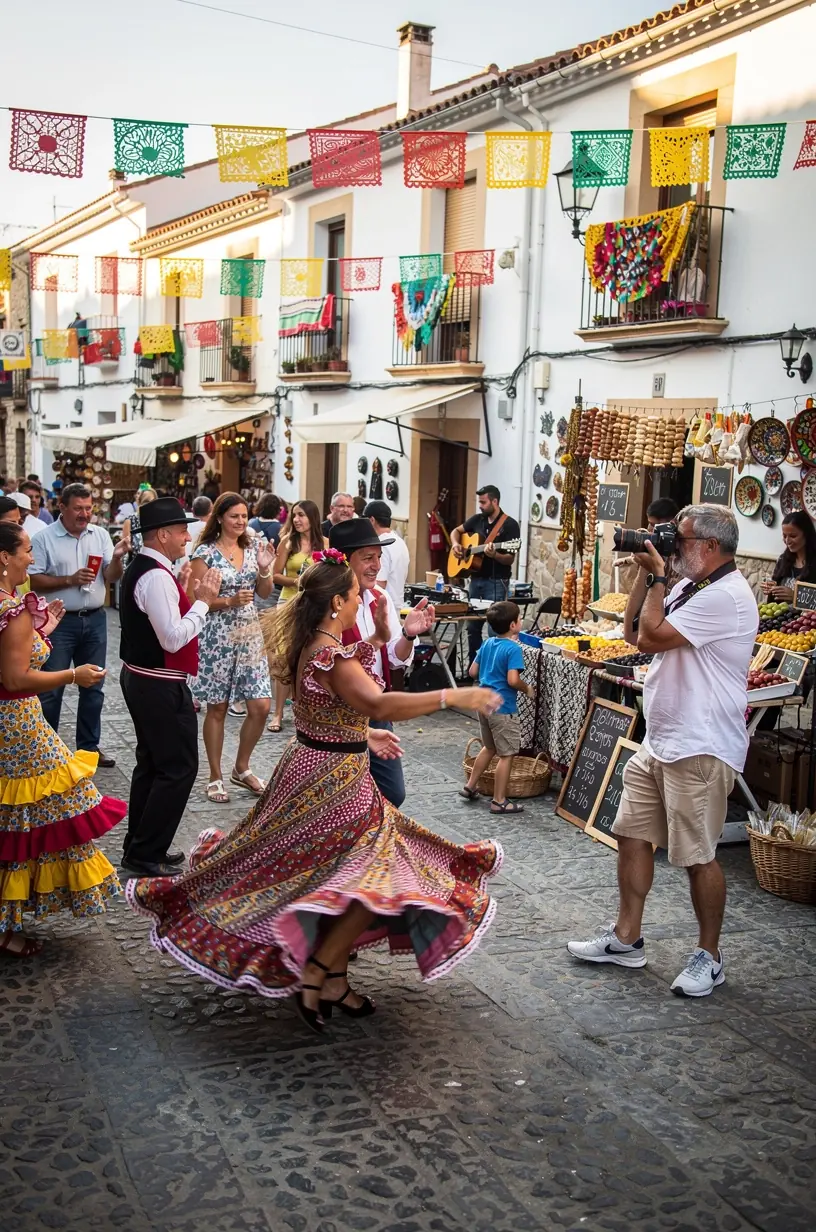
According to cultural studies, smaller cities often reflect unique aspects of regional traditions that larger urban areas may overlook. This phenomenon occurs because local communities typically foster a stronger sense of identity and pride, leading to preserved customs and practices. Many travelers report that visiting these lesser-known cities allows them to experience authentic cultural exchanges, which often feel more genuine than in major tourist hubs.
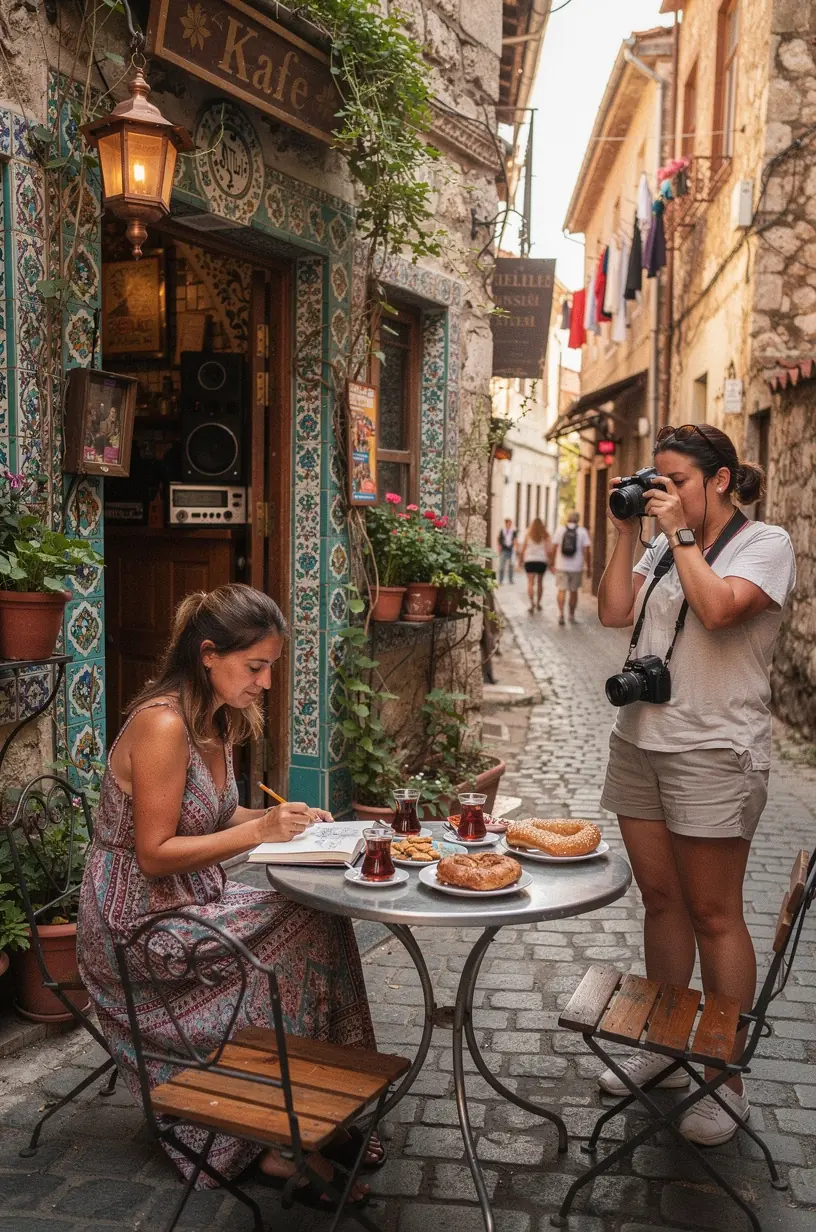
"Emerging cities often serve as vibrant cultural incubators, where traditions evolve and coexist with modern influences."
Key Emerging Destinations
Here are a few cities that are gaining recognition for their cultural significance:
- Ghent, Belgium: Known for its medieval architecture and arts scene, Ghent offers visitors a chance to explore local festivals like the Gentse Feesten, which celebrates music and performance from various cultures.
- Tartu, Estonia: As a university town, Tartu is vibrant with student-led initiatives and cultural events, such as the Tartu Arts Festival, showcasing local talent.
- Plovdiv, Bulgaria: Recognized as a European Capital of Culture, Plovdiv is rich in Roman history and hosts numerous art galleries and theaters, bridging ancient and contemporary culture.
Experiencing Local Culture
Engaging with local culture goes beyond sightseeing. Here are some methods that travelers can employ:
- Participate in Local Events: Attending festivals, art exhibitions, or culinary workshops can provide insight into local traditions. Research suggests that immersive experiences often lead to deeper appreciation and understanding.
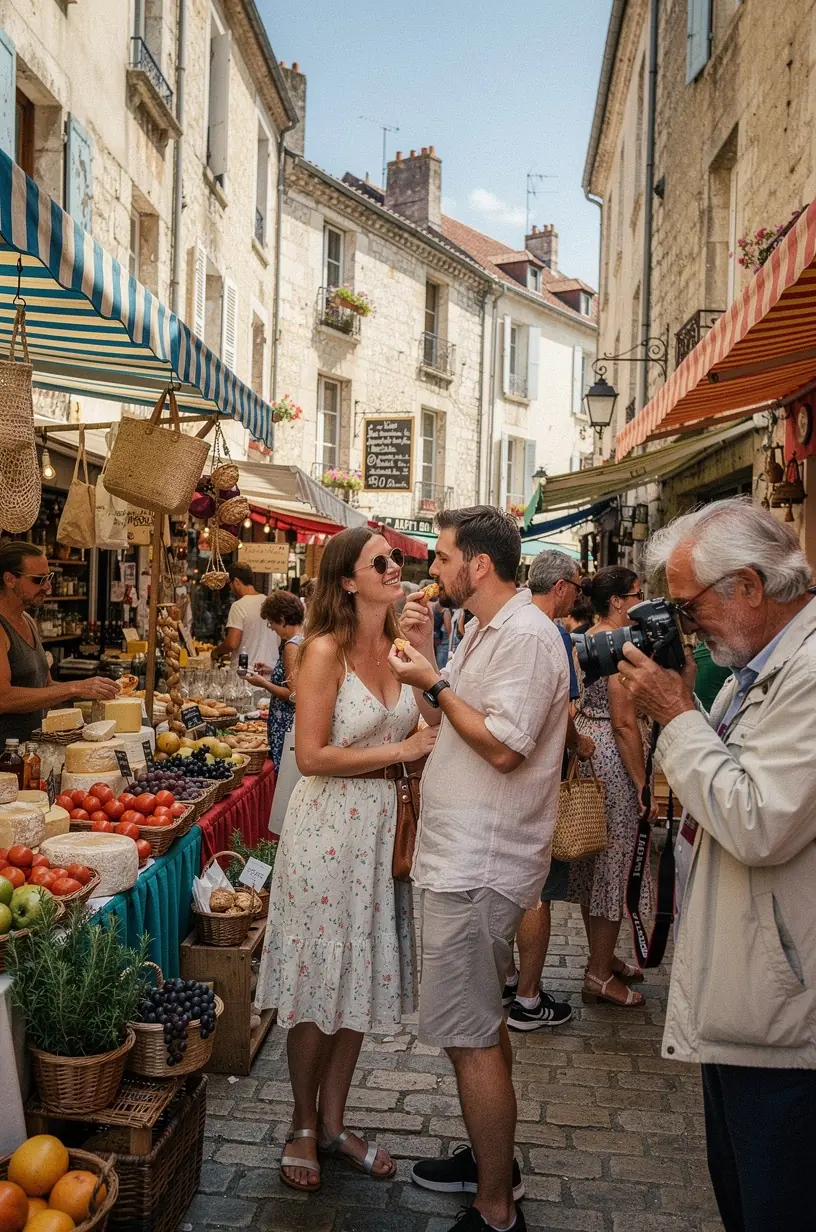
- Engage with Residents: Making connections with locals can enhance your travel experience. Initiatives like community-led tours can offer perspectives that conventional tourist guides might miss.
- Support Local Artisans: Purchasing handmade goods not only contributes to the local economy but also helps preserve traditional crafts and artistry that are unique to the region.
Challenges and Considerations
While exploring these emerging cities can be rewarding, potential travelers should be aware of some challenges:
- Many of these cities may lack extensive tourist infrastructure, which can involve more planning and flexibility.
- Language barriers may exist, so having basic knowledge of the local language or common phrases can be beneficial.
- Traveling during off-peak seasons might provide a more authentic experience, but some attractions may have limited hours or availability.
Conclusion
Cultural exploration in lesser-known European cities offers a unique lens through which to understand local traditions and lifestyles. Engaging authentically can deepen your travel experience, providing insights that are often overlooked in mainstream tourism. By approaching your travels with curiosity and openness, you can uncover the rich tapestry of cultures that these emerging destinations have to offer.
Learn More