Practical Tips for Immersive Travel Experiences in Lesser-Known European Destinations
Exploring lesser-known European destinations offers a unique opportunity to engage with local cultures and traditions. However, immersive travel requires careful planning and a thoughtful approach. This article provides practical tips that can enhance your travel experience while ensuring respect for the local environment and communities.
Understanding Immersive Travel
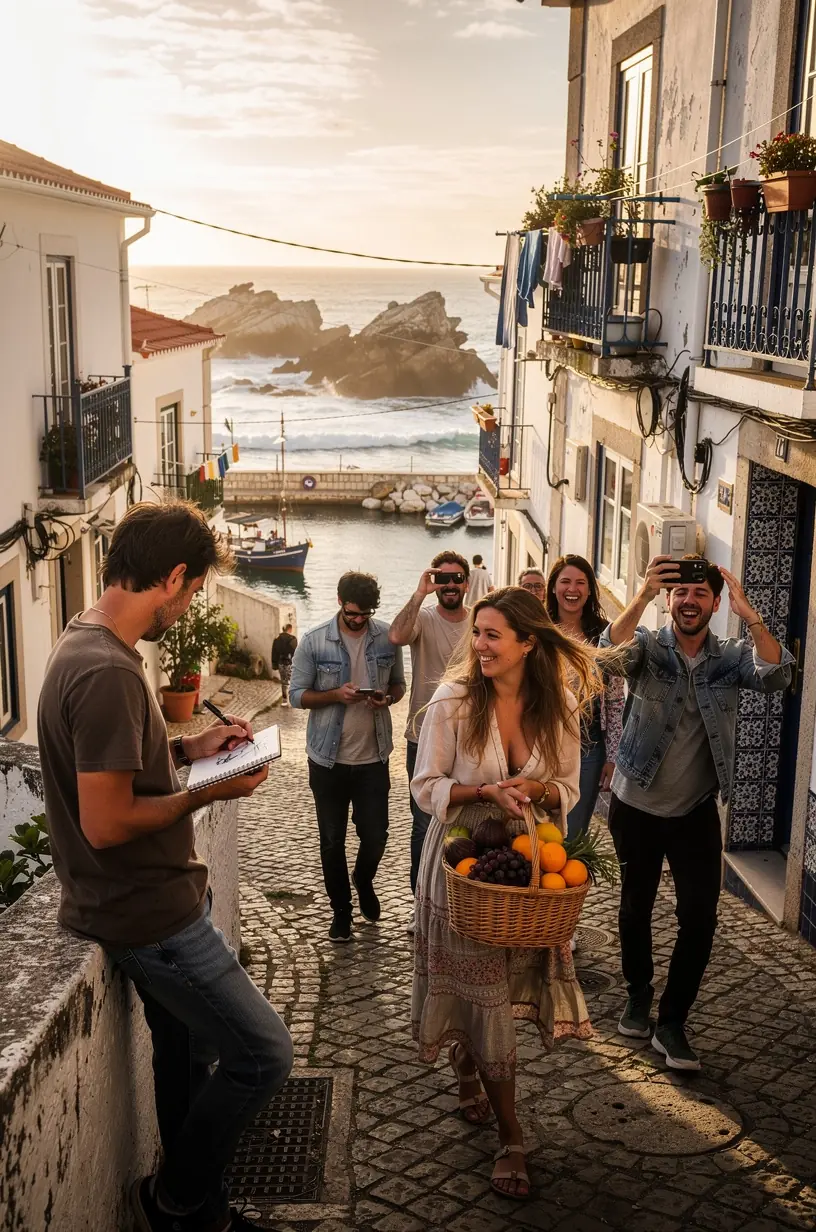
Immersive travel is more than just visiting new places; it involves actively engaging with the local culture, understanding its history, and participating in community life. According to experts in cultural tourism, this kind of travel can lead to a more rewarding experience, as it fosters deeper connections with the destination. Research shows that travelers who immerse themselves in local culture often report higher satisfaction rates compared to those who take a more traditional tourist approach.

"Immersive travel allows you to experience a destination in a way that typical sightseeing cannot match." - Cultural Tourism Expert
Practical Tips for Immersive Experiences
- Research Local Customs: Before traveling, take time to learn about the local customs and etiquette. This may involve familiarizing yourself with basic phrases in the local language or understanding traditional dining practices. Studies indicate that demonstrating respect for local customs can significantly enhance your interactions with residents.
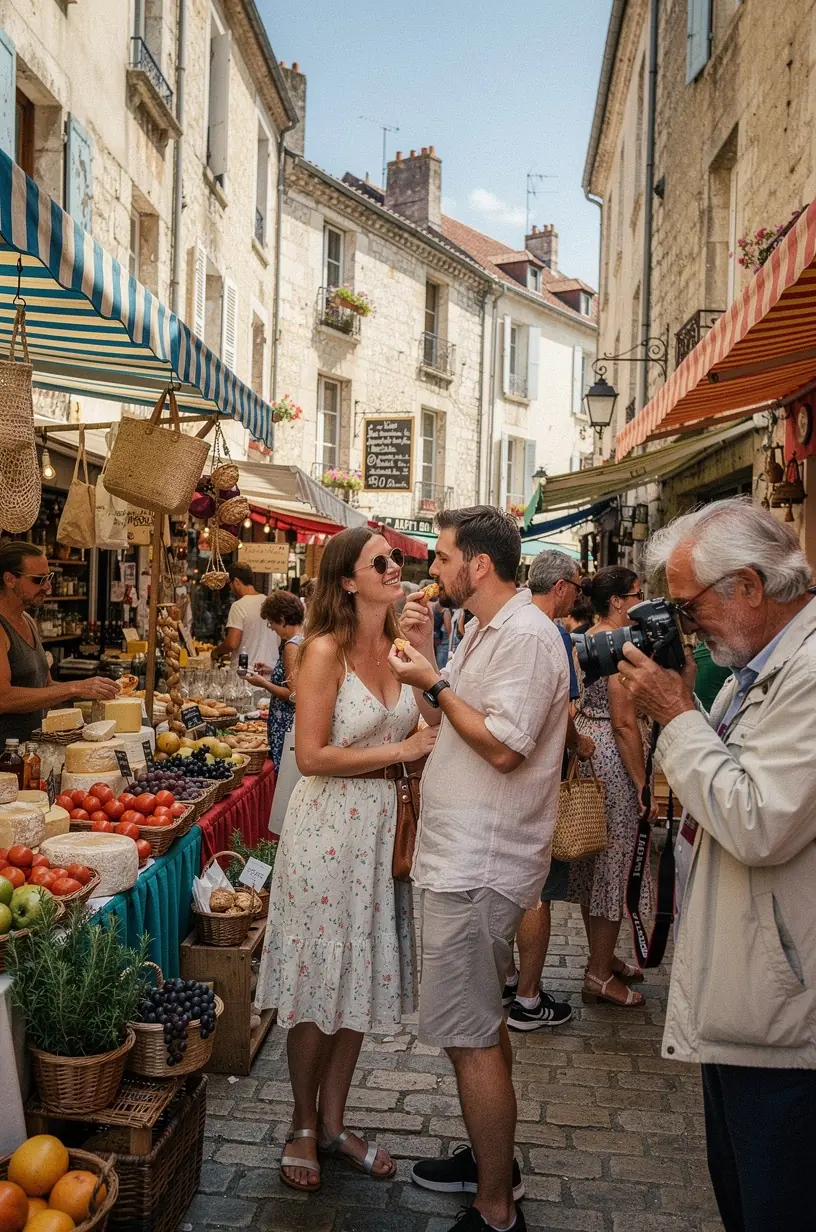
- Engage with Local Communities: Participating in local workshops or community events can provide invaluable insights into the culture. Many travel experts recommend seeking out experiences that allow you to learn from locals, such as cooking classes or artisan workshops. These activities often require a time commitment, typically ranging from a few hours to a full day, but the knowledge gained is often well worth the investment.
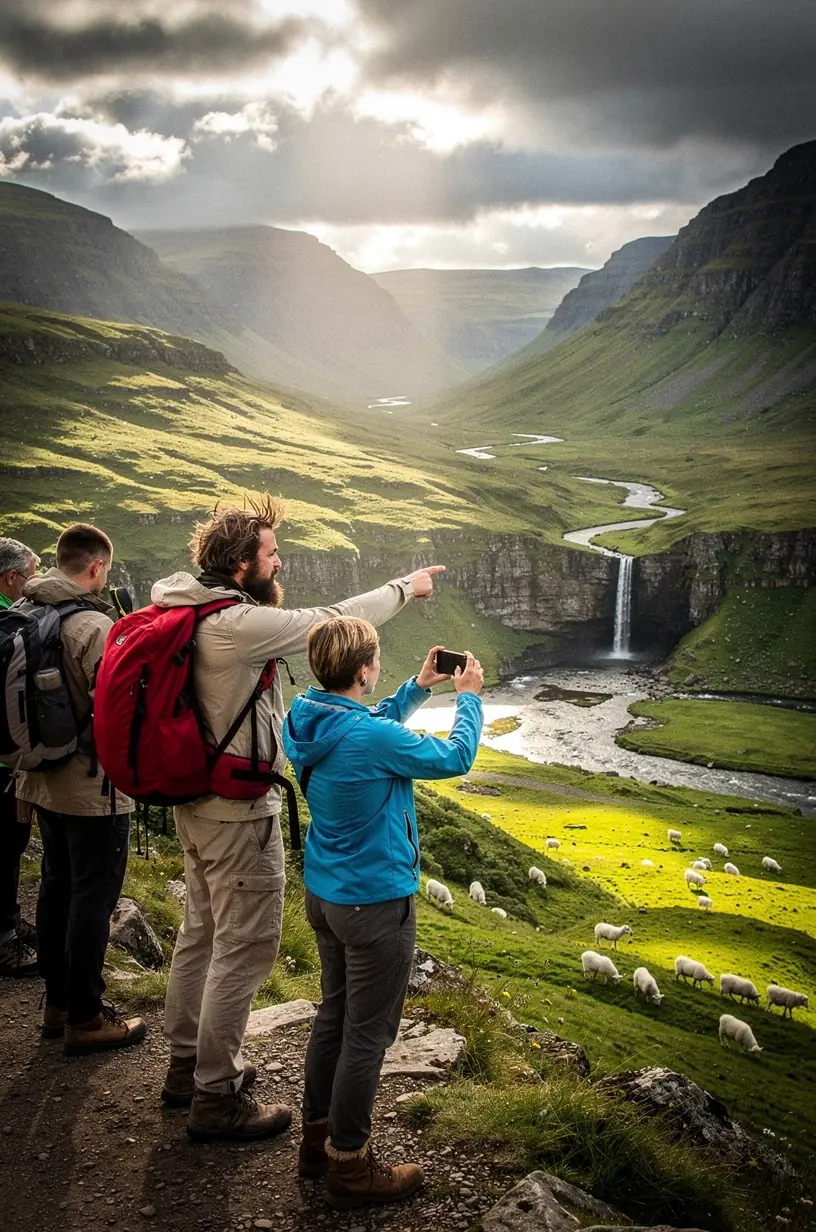
- Choose Off-the-Beaten-Path Locations: Instead of visiting well-known tourist attractions, consider exploring lesser-known sites that reflect the local heritage. Research indicates that travelers who venture off the beaten path often have more authentic experiences, as they interact with locals who may be eager to share their stories and traditions.
Expectations and Limitations
While immersive travel can lead to enriching experiences, it is essential to acknowledge the effort and time involved. Many travelers find that planning an immersive experience requires significantly more preparation than a standard trip. This may involve dedicating time to research, making local connections, and being open to new experiences, which can sometimes be challenging. Furthermore, some immersive experiences may not be suitable for travelers with specific dietary restrictions or mobility issues, so it is beneficial to assess individual needs before planning.
Conclusion
Immersive travel in lesser-known European destinations offers a rewarding way to experience culture authentically. By researching local customs, engaging with community activities, and choosing alternative locations, you can create meaningful memories that go beyond traditional sightseeing. Remember, the journey of immersive travel is one of learning and connection, requiring time and openness. Embrace the effort, and you may find that it significantly enhances your travel experience.